
“Some sort of pressure must exist; the artist exists because the world is not perfect. Art would be useless if the world were perfect, as man wouldn’t look for harmony but would simply live in it. Art is born out of an ill-designed world.”
― Andrei Tarkovsky
Directed by Noah Baumbach and co-written by himself and his talented partner Greta Gerwig who also portrays Frances Halladay, Frances Ha stands out as a masterpiece in the heart of Indie cinema not just because of its tribute to French New Wave with its cinematography and its choice of an outstanding soundtrack from New Wave movies, but also because of its sometimes-cringy-but-definitely-empathetic content. It is like a Woodie Allen rom-comedy but with less pretentiousness. Even though it has the elements of romance and comedy, Frances Ha is not a movie about romantic love, in fact, it is quite far from it. What makes it a “happily-ever-after” story is its ‘sologamic’ finale that shows us love doesn’t have to happen between two sexually-attracted people but can happen with anyone we are able to create that “secret dimension”, as Frances puts it. The movie not only manifests itself as a quest -or better to say, as a struggle- for true connections in a world full of superficiality, but also, and most importantly, as an Odyssey-kind-of inner journey for the sake of becoming a “real person”.

Frances Ha(lladay) is our innocent-to-modern-world heroine who falls into a loneliness after the moving of her roommate who also happens to be her best friend, Sophie (Mickey Sumner). In the beginning scenes, we are presented with their strong bond and common future dreams which go along to be shown throughout the whole movie with Frances’ constant reminding of how they are “basically the same person with different hair.” However, when Sophie decides to move out to live with her boyfriend, Frances finds herself completely lost and alone, floating from place to place and unable to cope with her loneliness that gradually deepens. After Sophie’s departure and breaking up with her boyfriend (which is not as important as Sophie’s leaving), she moves into a new apartment with her two new roommates, Lev (Adam Driver) and Benji (Michael Zegen). By being an amateur dancer who strives to become a professional one day and to follow a career in this path, Frances also struggles with financial issues since she has no stable job.

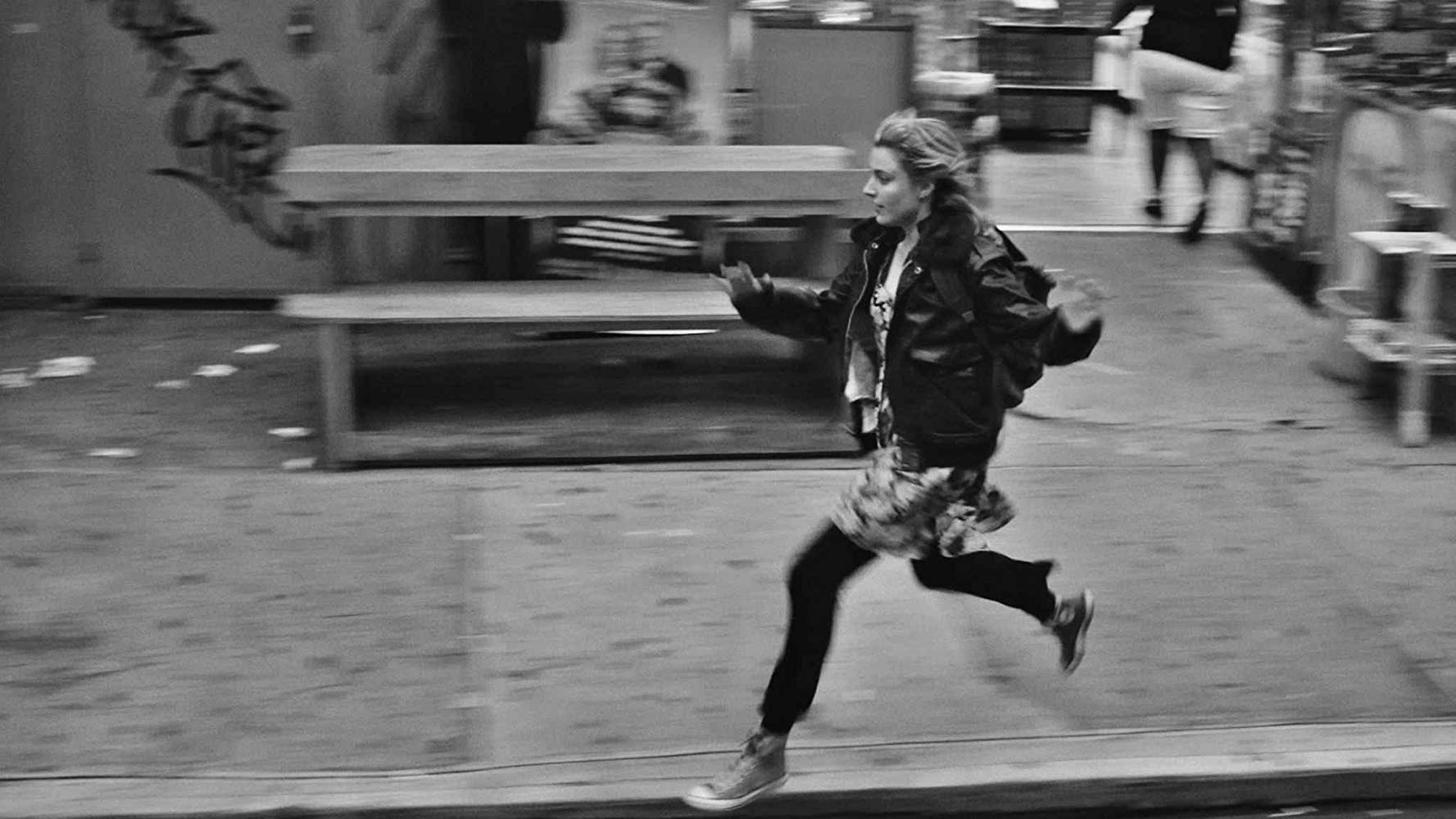
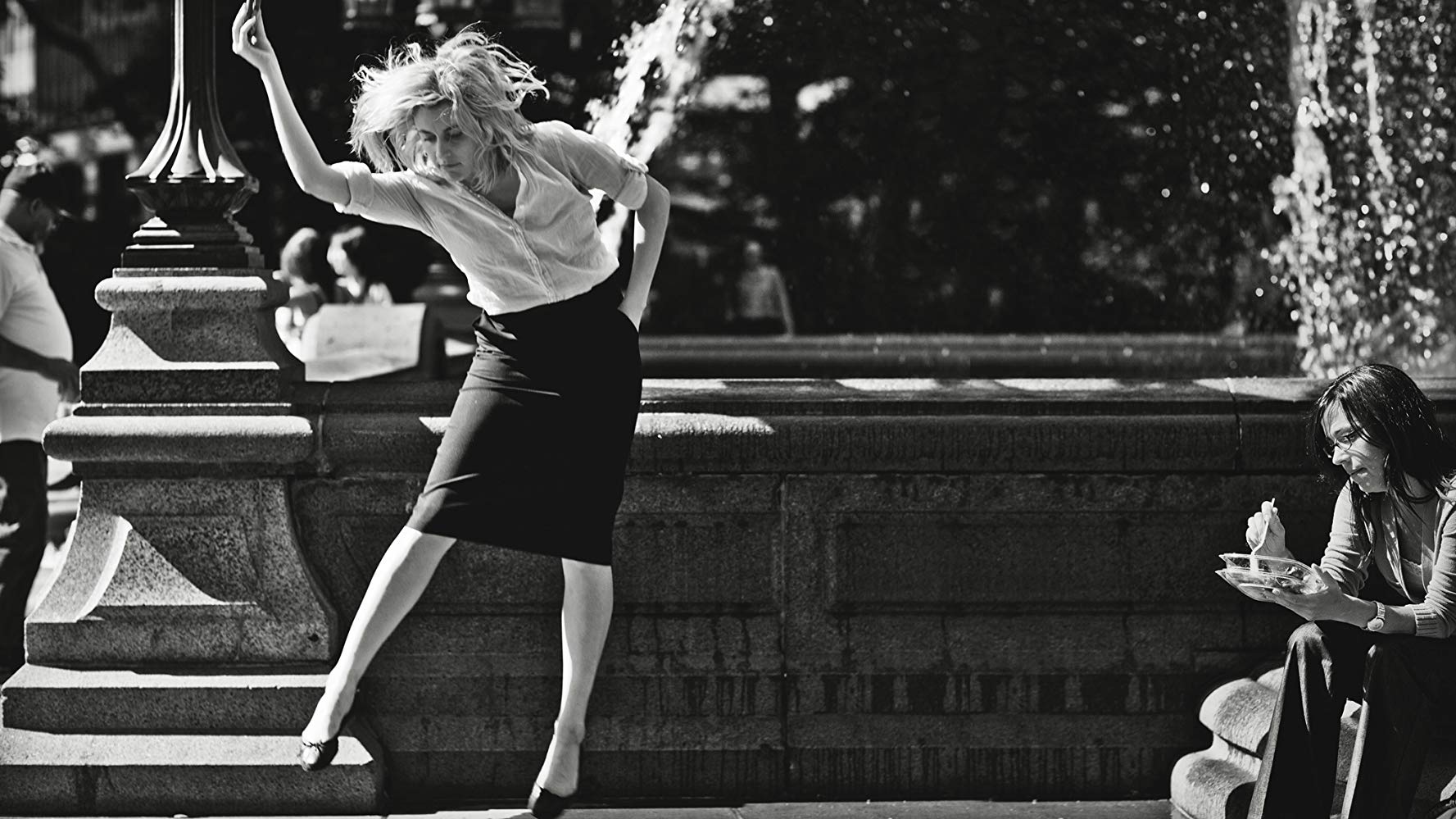
Although Frances has so many likable and relatable characteristics within herself, she is also very non-visionary and stubborn on her unrealistic dreams which clearly don’t have any possibility of becoming true. But this plays a crucial role in shaping the identity of Frances we see at the end. For example, when she gets her tax rebate, she immediately invites Lev to dinner rather than saving her money. When she has to pay the bill, she realizes that she cannot pay with debit card and says “I’m so embarrassed, I’m not a real person yet”, but still doesn’t accept Lev to pay the bill and immediately runs out to look for an ATM (a goofy running scene which is full of touches from French New Wave with its very cinematography and especially with its funky/jazzy music choice from Truffaut’s Les Quatre Cents Coups).
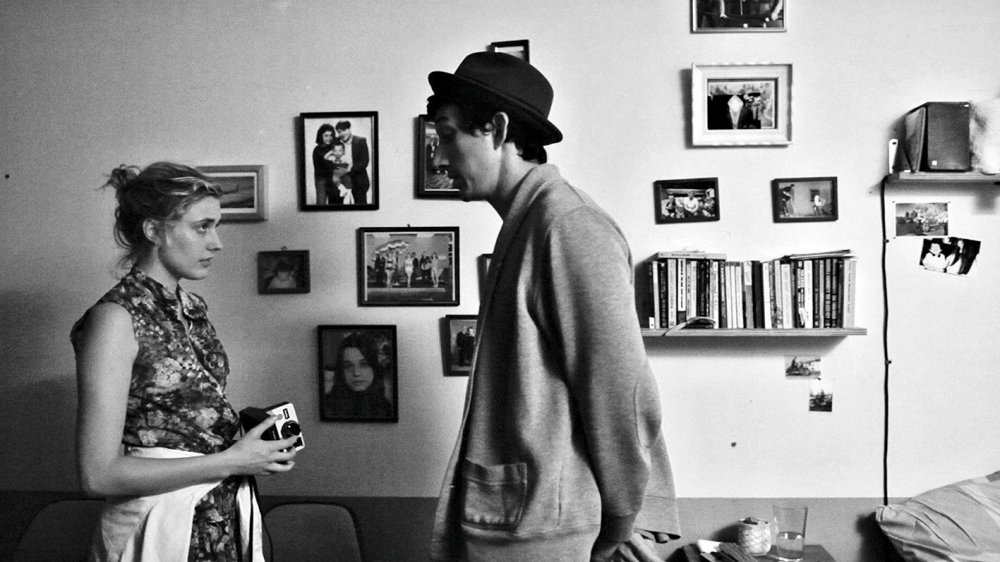
Frances’ genius and sincere responses are what make Frances out of this world. This fact keeps proving itself also in the next scene when she goes to Lev’s house in which he tries all the clichés to sleep with her, Frances’ “awkward” and direct attitudes breaks all the very expected clichés from such a scene and makes us realize it is actually not Frances who is awkward but it is the people in general who “performs” repetitiously these stupid and platitudinous attitudes in human relationships. Frances is not there in search of some superficial or material need because all her personality consists of this emotional depth she possesses. However, it is significant to note that none of the people who Frances meets or spends time are evil nor bad-intentioned but they just show us the modern-day individual prototypes who chooses to be indirect and metaphorical to get what they want and thus sustain a phoniness with every new person they meet which eventually leads them to suppress their inherent true self. Baumbach and Gerwig portrays an amazing model with Frances’ comprehension of every allegoric joke or suggestion as serious to demonstrate the honesty of Frances and the lack of it in other people. She obviously doesn’t fit in this world because honesty and sincerity appear as weakness in today’s world and therefore, she is accepted as weird or joked as being “undatable”. But if we look deeply into the characters, Frances is the most good-natured one because of her portrayal of our true essence as human beings. Sure it is a comedy movie and none of these are portrayed in a serious or dramatic way, but still, it would be a waste to watch this film just as some shallow artsy-comedy without focusing on the deeper messages it deals with. Also, by knowing the styles of both Baumbach and Gerwig, it surely deals with issues such as alienation, inability to fit in and identity search, since we (or at least some of us) can sense and emphasize the “unbelonging” and lonely feeling of Frances, who, at the same time, never gives up on being herself.

Being in an asphalt jungle of New York with a loss of a loved one, with no stability in her life and yet never leaving her shining-but-sometimes-broken smile on her face, Frances portrays the alienated-yet-not-solitary individual who has to fit in in this chaotic world of 21st century constructed by superficiality and phoniness. It is true that Frances is not the most likable character with her plainspoken and childish attitudes, but these are the very things what makes Frances different from other people around her and makes us the witness of her character development. Frances is not like other people, that’s for sure, she doesn’t wear a “persona”, in Jungian terms, like rest of the people who are hiding behind the socially imposed masks and thus create a pretended and superficial relationships. We see this in practice perfectly when Frances is at a dinner with the family of one of her colleagues, Rachel (Grace Gummer). Rachel is who Frances tries to substitute the place of Sophie yet fails since what Sophie and she had was only special between them. Rachel’s family involves pretentious and bourgeois people – although not in villain terms-, which makes Frances constantly try to fit in with her choice of topics and behaviors, however, she is so “herself” that she seems quite absurd and awkward with every attempt to fit in. She lies, eats awkwardly, does inappropriate jokes, acts goofy and silly. In fact, all of these are the signs and silent screams of her inability to fill the gap inside of her that is caused by her loneliness which cannot be fulfilled by the people around her. Because she doesn’t actually aim to fit in or be like them but rather just seeks for someone who “speaks the same language”, so to say. Nevertheless, she is a strong character because although she isn’t heard or understood, she doesn’t cry out or agitate her situation like most of the romantic characters do. On the contrary, she keeps her smile and unique identity -even though sometimes can be too much bothering to watch-.
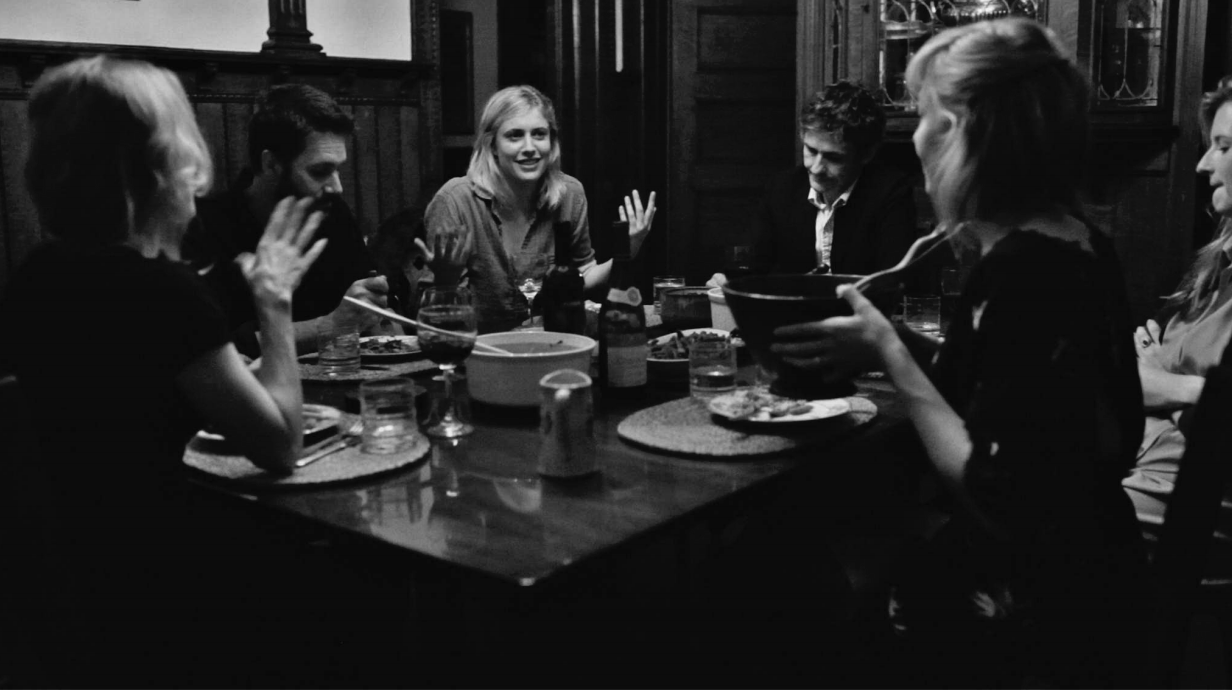
Social relations are hard, maybe it is even harder for people who have to keep their emotional depth and potential in order to not get hurt, just like Frances, who is either aware of that or somehow unconsciously created a defense mechanism in order to protect it. She doesn’t feel comfortable expressing her inner feelings to strangers, we see this especially when she decides to express her most genuine feelings (after getting drunk) to Nadia, one of the hosts of the dinner. This “monologue” -it is a monologue because there is no one to reciprocate her feelings since they are not in the same level of emotional depth with Frances- shows what Frances wants out of a relationship, “love or just life” she guesses… This speech is not consisted by some banality but rather it stands out as a manifestation of what Frances expects from life with a sincere expression that is totally lacking selfishness and mostly involving a desire of inherent connections. After such a frank confession, she acts as if she has become wholly naked in front of total strangers and immediately leaves the conversation which she has gained nothing except exposing her true self to a bunch of people. The depth in this scene is so perfectly depicted with its editing, Gerwig’s acting and the choice of a soundtrack that it is almost impossible not to feel the emotions that are conveyed to us from Frances.
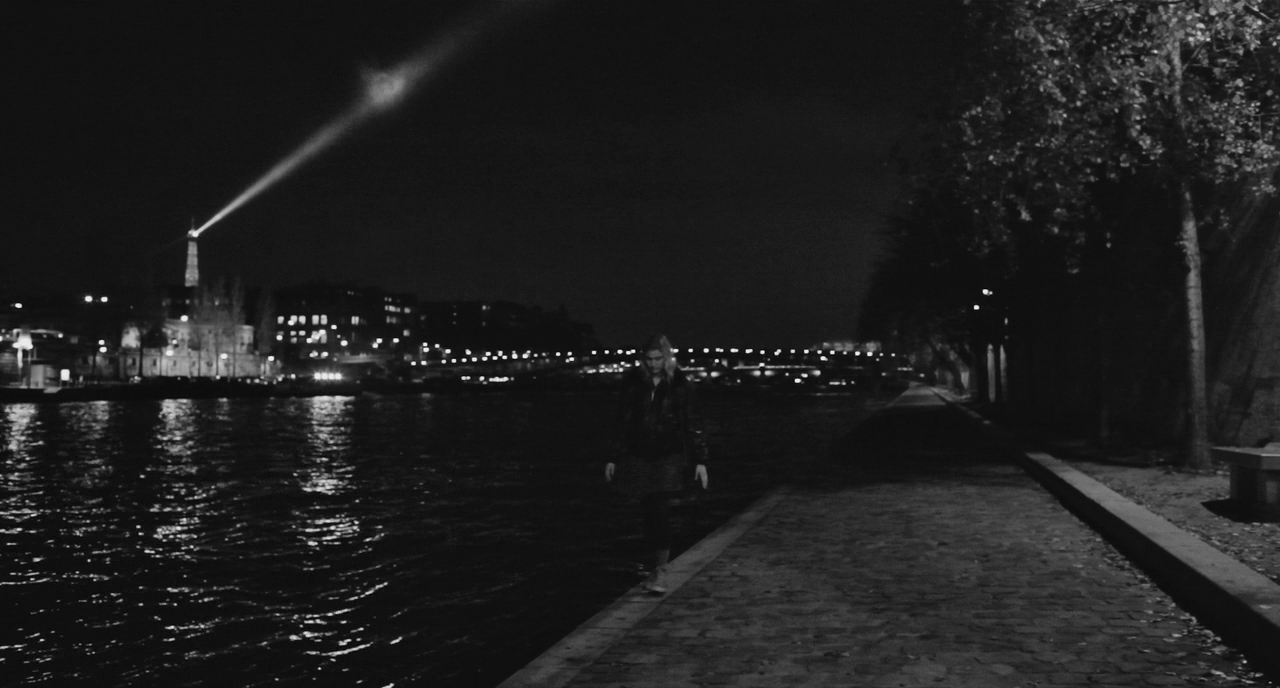
After fighting with Sophie because of her new boyfriend whom she lives with now and whom Frances doesn’t like, Frances loses her contact with Sophie and finds out that she will move in Japan. Devastated by this fact and also by learning it from the strangers at the dinner in Rachel’s family, Frances also takes the decision of solo traveling to Paris offhand even though she is totally broke and in debt. But again, this will also help to construct her own identity at the end. She was already experiencing loneliness that has been gradually growing after Sophie’s departure in the beginning, however, when in Paris all alone, she is now with all herself yet still trying to make some connections with some old friends who lives in Paris. Not being able to reach them and wasting her limited time in Paris because of insomnia, she comes back disappointed. Although disappointed, there is a moment when Frances, even at the bottom of her loneliness, talks with Sophie and expresses her unconditional love for her. However, no matter how hard she tries to be strong and positive, because of her dependence on other people and her urge to approach people with all respect and love, she doesn’t pay attention to how to develop her own identity. As she says, she is not a real person yet. She needs to grow up and find her own identity and place in this world. Although she is not aware yet, her solo Paris trip, in fact, plays a crucial role in her character development because it is those very solitary moments which we are able to get to know ourselves.
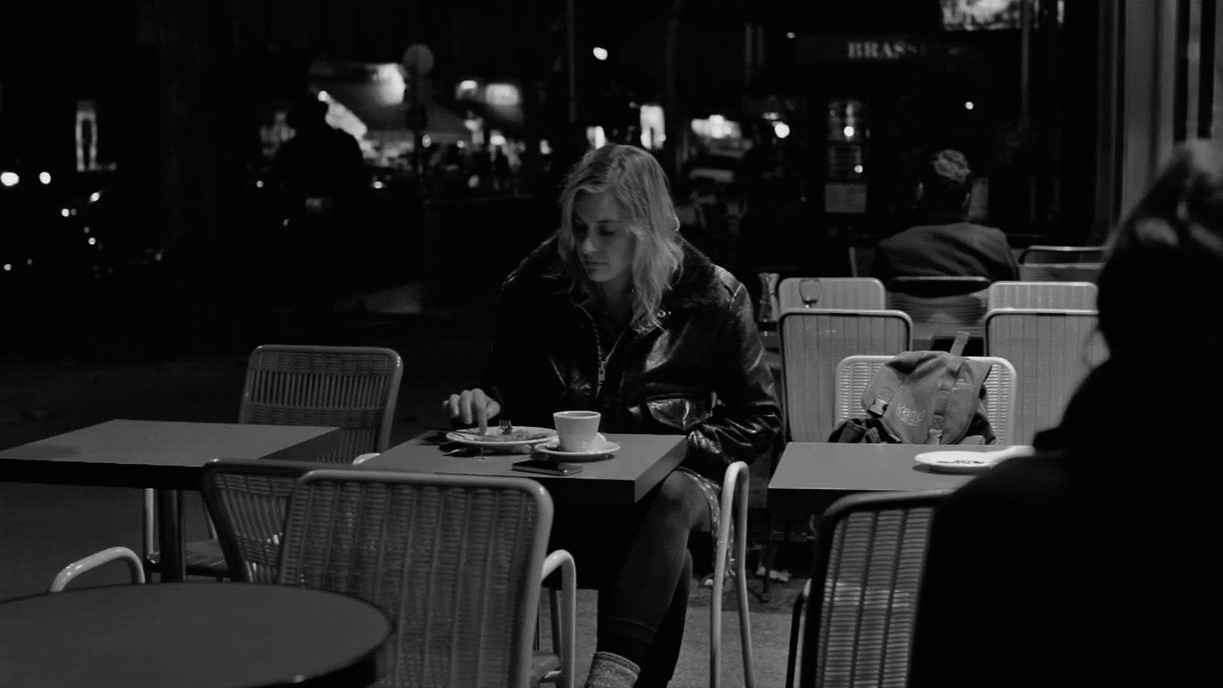
After deciding to return to her college for a job position so that she can gain money to pay her debts, she starts to spend her leisure time in the forest while making some references to Thoreau’s Walden which is funny at one point because she is finally explicitly making us aware of her solitude by saying she is “having a Walden’s pond moment”. These kinds of supposed-to-be-deep references and situations about Frances is given abundantly throughout the movie, but one of the most striking parts of those moments is that they are never debated deeply but rather just cut and followed by unrelated topics or scenes. This is another reason why Baumbach’s Frances Ha outstands as one of its own kind; we are thrown on our face with some deep, thoughtful line and then left alone with an escapist attitude of “okay, bye!” (you can almost hear Frances saying it even now).
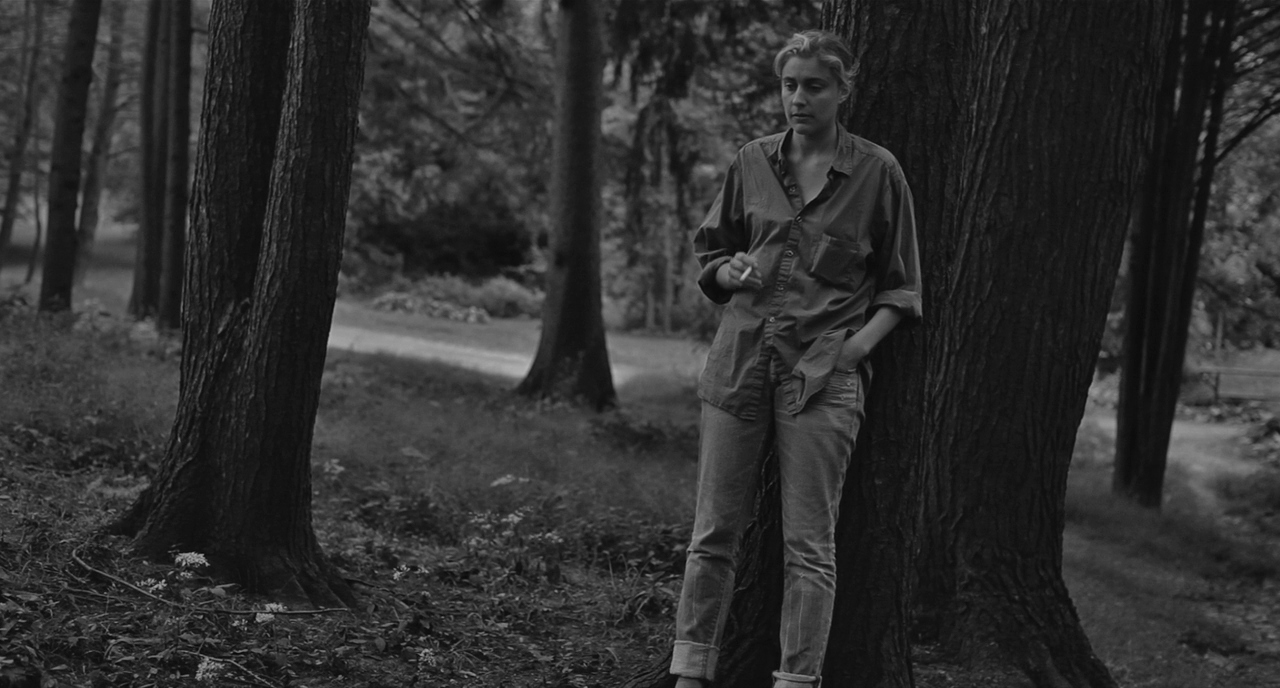
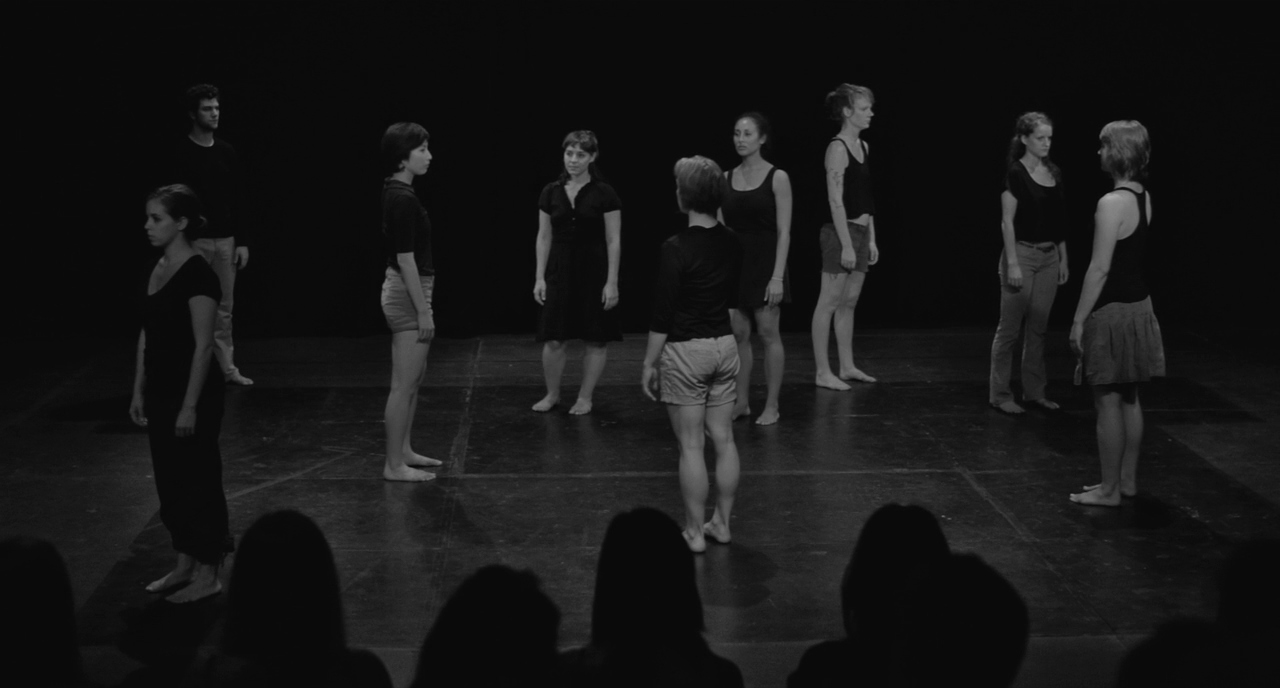
Soon later, once she is left for the second time by Sophie during her visit in Frances’ dormitory, Frances finally becomes aware that relying on others and impossible dreams won’t lead her to any conclusion she wishes to. She takes the position offered by her dance agency which she rejected earlier since now she knows that there are countless ways in front of her which can lead her still to the destination she wishes to arrive. Indeed, this is what we call “life”. The scene directly cuts to a Frances who apparently became a contemporary dance choreographer. Although she always wished to become a professional dancer, sometimes we have to confine ourselves to the circumstances we are given and use them for our benefit to create new dreams and paths which can still satisfy us. This is what Frances finally learns and does. Indeed we can literally see the satisfaction and joy on her face that is inspired by a self-made accomplishment. Baumbach doesn’t show us how these all have happened because the crucial point is that Frances had achieved all of these things by herself and thus created her own identity. All the previous incidents, events, and decisions she had taken and done led her to where she is now. During the event which her choreography is performed, we see all the people who Frances loves and cares for because her work is not only about her, it is about everyone in her life who shaped her current self. Actually, the best description of her choreography is given by Frances herself by declaring that she likes “things that look like mistakes”. From this very postmodern perspective of Frances and by absolutely not claiming any metanarrative, we can conclude that the more we try to put things in order, the more we fail with its entropic outcome since the world doesn’t work in order and according to our plans. Although it’s very cliché for the postmodernists to hear it, it is still worthy to mention that we should embrace the chaos and disorder in order to cope with our modern chaotic world. This is exactly what Frances does at the end, by accepting the “mistakes” and making an art, a life out of them.
But the climax of this satisfaction and joy that Frances possesses is most evident when she finally owns her own house after a long time of being dragged along from one place to other. This scene is the very portrayal of becoming an individual, accomplishing something finally by yourself; even writing and putting her name on the mail box shows how she is on her way to becoming “a real person” through the powerful act of radical acceptance. It is a significant scene because we see the reason why the movie is named Frances “Ha” rather than her full family name. She is still in the process of constructing her own identity since it cannot happen immediately nor can arrive to a final conclusion.
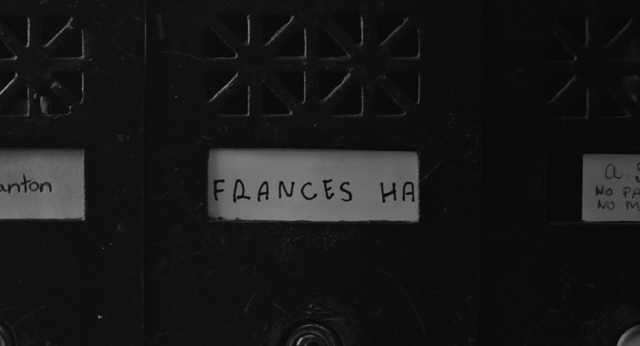
It is now Frances who is in control of her life rather than chasing after uncontrollable situations and dreams constantly. This resolution does not only help her to build her own identity, but also helps to regain her special relationship with Sophie, whom she shares that invisible emotional universe. However, beyond all of these, the final scene stands as a personal favorite because of its heartening mise-en-scène that is harmoniously accompanied by George Delerue’s revivifying King of Hearts Le Repos which, all as a combination, stimulates a warm hope and self-confidence that are beyond words to describe. It is the power of the true artist who is able to craft his/her work which leads to this tremendous final editing.
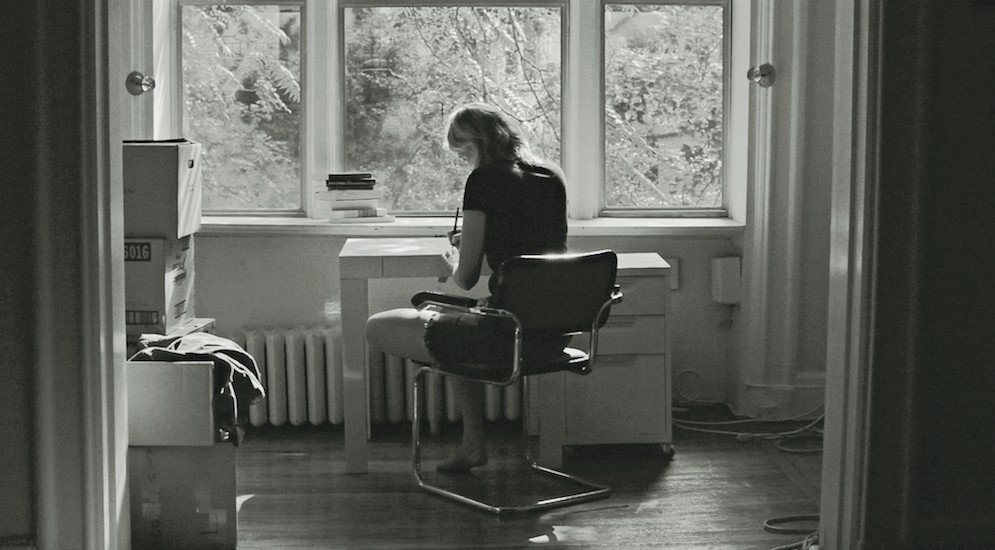
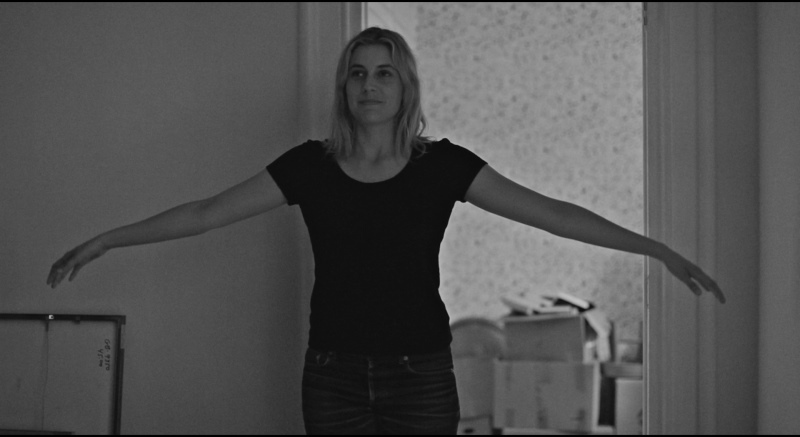
Frances Ha is a movie about coping with loneliness, it is a movie about us. If we look from a sociocultural point of view, modern human beings do not feel comfortable about expressing their loneliness, because it is the biggest sign of “weakness” and “failure”. It is even in our “biology” which dates back to our first ancestors who had to live in big groups of people so that they could survive the forces of nature and other external threats. Being outcasted from a group or a tribe, back in time, meant that they were left to die. Therefore, it is our very instinctive behavior to strive for a connection with other human beings. However, in today’s world, this “survival of the fittest” only functions as fitting into a social group to satisfy our material and psychological needs. In a world in which capitalism is the decision maker of everyone’s destiny, we learned very well to consume not only products and earthly materials but also each other for our own selfish benefits. But this is not in our nature and is the exact reason why characters like Frances exists. It’s a warning of an error that we have created as human beings under the name of “civilization” which led us to more and more loneliness and alienation in the big cities of the modern world. As the quotation given by Andrei Tarkovsky -one of the masters of both cinema and the human psyche- stresses, art is the perfect medium to express the general human condition and it only exists because the world we have created for ourselves is not perfect. Cinema, as the meeting point of many kinds of forms of art, therefore, serves this purpose profoundly. However, by “serving”, the intention here is not to follow the Marxist assertion of “art as a product” to be consumed, instead, it is to show the impact of works of art such as Frances Ha that we all can find a part of ourselves and observe and understand better both the general human condition and the world we live in. Frances Ha, from this perspective, is one of the most relatable movies. It gives us the possibility of an introspective understanding of ourselves and presents us with a hopeful outcome of being an independent individual without losing our authentic essence even in our loneliest times.


 L'appel du Vide
Wow! I didnt’t know this movie but I’ll bridge the gap as soon as possible.
I hope you’ll keep on posting these movie analysis, it is going to be a precious source of knowledge for me!
LikeLiked by 1 person
Thank you, Alberto! I am glad you enjoyed my post and I will try to keep posting as much as possible, stay tuned!
LikeLike